March 15, 2026 · 4 mins read
Santhosh Kumar
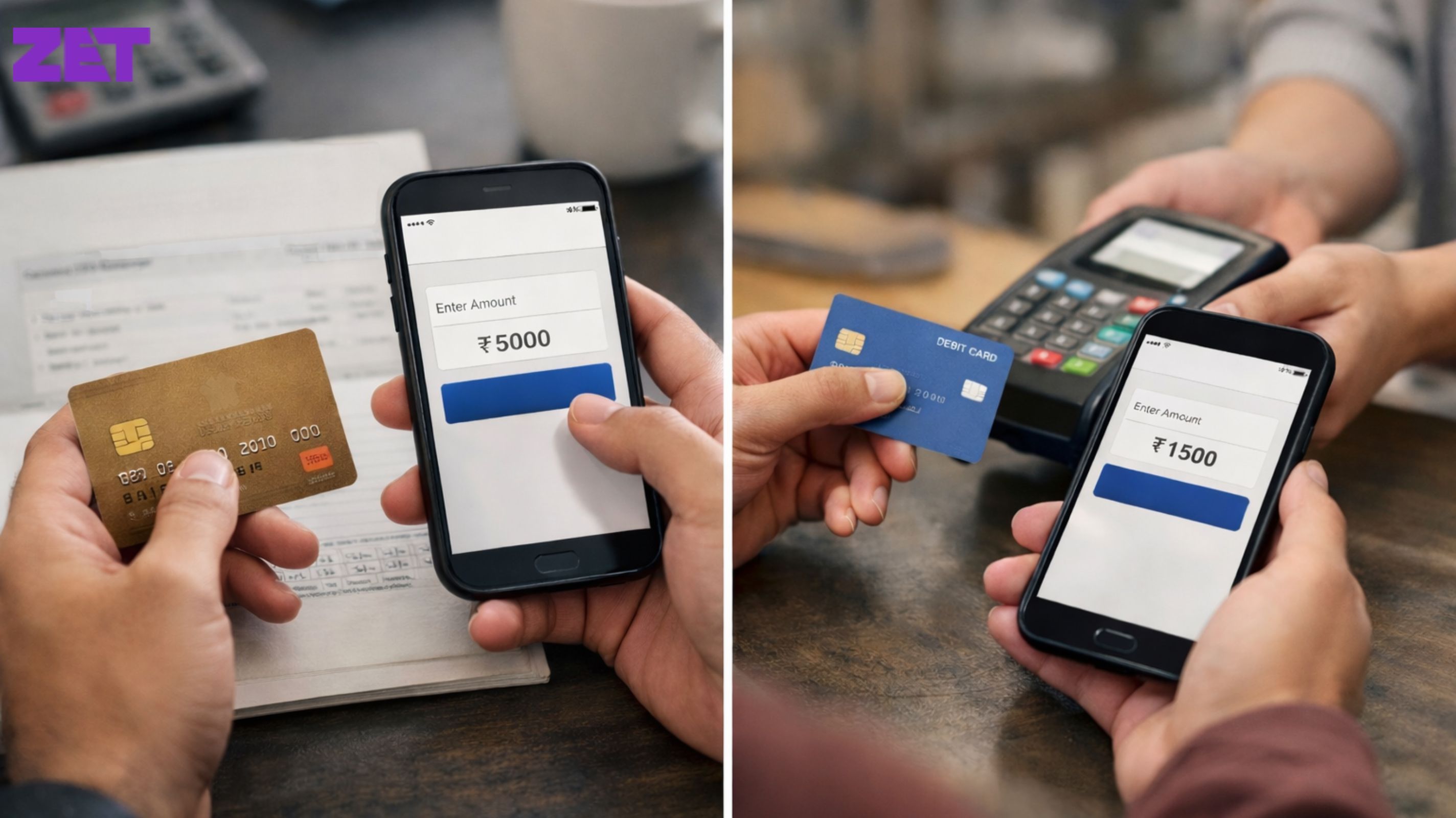
FD-backed credit card UPI and debit card UPI both enable users to transact via UPI, however, they function in different ways. Debit card UPI debits your bank account directly, while FD-backed credit card UPI credits you a credit line backed against the fixed deposit. It’s paid back later like a credit card bill.
UPI has revolutionized digital payments in India by allowing us to make instant bank transfers from within mobile apps. The system, built and regulated by the National Payments Corporation of India, links banks, payment apps and merchants on one platform.
Until recently, UPI payments were connected only to savings or current accounts via debit cards for authentication. If you pay through UPI from a debit card linked account, the funds get instantly debited from your bank balance.
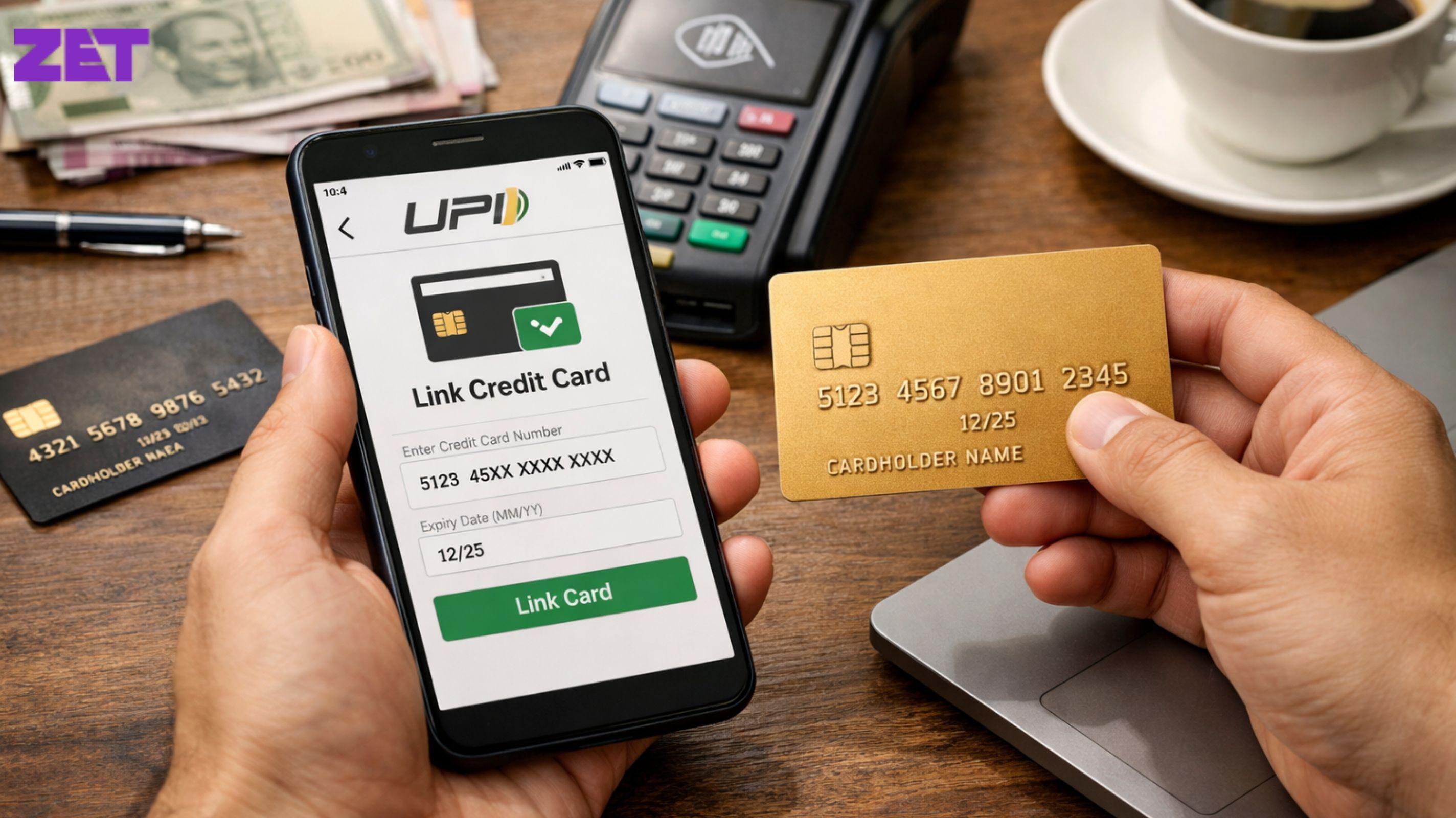
Recently, banks have introduced another option where credit cards can also be linked to UPI. Sometimes, banks provide a credit card secured against a fixed deposit. What’s known as an FD-backed credit card. When this card is linked to UPI, payments are done with the credit limit, not the bank account.

An FD-backed credit card is a credit card against a fixed deposit with a bank. The fixed deposit serves as security, minimizing the bank’s risk and enabling even those with little credit history to have a credit card.
When a credit card of this sort is linked to UPI, payments transact over the card’s credit limit. Rather than immediately removing money from the bank account, the charge is added to the credit card statement.
At the close of the billing cycle, the cardholder is responsible to pay back the balance. If paid on time, this also builds a good credit history with agencies like TransUnion CIBIL.

Debit card UPI is the classic UPI that nearly everyone in India uses. In this approach, your bank account is tied to a UPI app via your debit card information at the time of registration.
Every time you pay with UPI, it is immediately debited from your bank account. No borrowing and thus no need to pay back later.
This mode is popular for casual payments like shopping, bill payments and transfers as it draws directly from your available bank balance.
Factor: Source of Payment
FD-Backed Credit Card UPI: Credit limit backed by fixed deposit
Debit Card UPI: Direct bank account balance
Factor: Repayment Requirement
FD-Backed Credit Card UPI: Must be repaid in credit card bill
Debit Card UPI: No repayment required
Factor: Impact on Credit Score
FD-Backed Credit Card UPI: Can help build credit history
Debit Card UPI: Does not affect credit score
Factor: Interest Charges
FD-Backed Credit Card UPI: Possible if bill is unpaid
Debit Card UPI: No interest since no borrowing
Factor: Usage Type
FD-Backed Credit Card UPI: Short term credit based payments
Debit Card UPI: Immediate bank balance payments
Also Read: Annual Fee vs Lifetime Free Cards
If you decide to support UPI via an FD-backed credit card, then handle the credit smartly.
Keep track of your expenses and pay the credit card bill before the deadline. Paying on time means no interest, and a solid credit record.
Another handy habit is to stay under a sensible percentage of the credit limit. Keeping it responsible shows financial discipline and changes the way lenders view your credit behaviour.
Users who want full control of their spending can continue debit card UPI, while those who want to credit build can benefit from the credit card option.
Also Read: GST for E-Commerce Sellers: Rules & Compliance Checklist
Credit cards issued by some banks now support UPIs. However, only selected banks, as approved by the National Payments Corporation of India (NPCI), will allow the linking of a credit card to a UPI payment application.
Debit card UPI payments do not require borrowing and use funds from your own current or savings account balance. Hence, such payments do not affect the credit score maintained at TransUnion CIBIL.
Generally, using an FD-backed credit card for UPI payment is safe as long as you repay the credit card balance in full and use the credit responsibly.
Anyone looking to establish credit history or who is not able to obtain a traditional unsecured credit card should find an FD-backed credit card beneficial.

Build and Maintain a 750+ Credit Score